Hydrocarbon Gas Analysis Applications.
Gas chromatography is the standard method for measuring the composition of hydrocarbon gas streams. It separates and quantifies the individual components present in a sample, providing the data needed to verify product specifications, calculate physical properties and confirm compliance with recognised industry standards.
Ellutia GC systems are configured for hydrocarbon gas analysis across a range of applications, from LPG composition testing at import terminals to natural gas analysis for calorific value and Wobbe Index determination.
LPG Composition Testing
LPG is traded and distributed based on composition. The relative proportions of propane, butane and related hydrocarbons determine how the product behaves during storage, transport and end use.
Gas chromatography separates and measures the individual components present in LPG, providing the compositional data used to verify cargo specifications, monitor blending operations and calculate physical properties including density and vapour pressure.
Natural Gas Composition Analysis
Natural gas composition determines its calorific value and commercial worth. Every billing calculation, specification check and grid injection acceptance test starts with an accurate composition measurement.
Gas chromatography measures methane, higher hydrocarbons and permanent gases including nitrogen, carbon dioxide and oxygen in a single analysis run. The resulting data is used to calculate calorific value, Wobbe Index, specific gravity and compressibility in compliance with ISO 6976, ASTM D3588 and GPA 2172.
The Instrument Behind Every Application
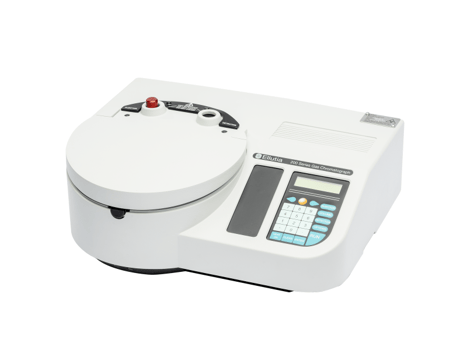
Both applications are built around the Ellutia 200 Series GC. Depending on the application, the configuration varies significantly.
For LPG analysis, the 200 Series is configured with appropriate columns and sampling hardware to separate and measure the hydrocarbons present in a pressurised liquid or vapour sample. The system is compact and fits easily into a laboratory workspace.
For natural gas analysis, the 200 Series forms the core of a more extensive system. Additional hardware including a multi-valve manifold, Sulfinert packed columns, a capillary column, and dedicated pressure regulation for carrier gas, hydrogen and air is housed in a separate base unit beneath the instrument. This expanded configuration allows the system to measure permanent gases and hydrocarbons simultaneously in a single analysis run.
Both configurations are built and tested by Ellutia before delivery. They arrive ready to run the analysis they were specified for.
Purpose configured
Every system is built for a specific application. LPG and natural gas configurations differ in hardware and detector setup. Ellutia specifies and builds the right configuration for your laboratory.
Dual detector for natural gas
The natural gas configuration runs a TCD and FID simultaneously, measuring permanent gases and hydrocarbons in a single run.
Stable, repeatable performance
Designed for routine laboratory work where consistent results across multiple runs are required.
Automated property calculations
Clarity data station software calculates calorific value, Wobbe Index, specific gravity, density and compressibility automatically at the end of each run.
Compliant with recognised standards
Configurations support ASTM D2163, ASTM D1945, ISO 6974, ISO 6976, ASTM D3588 and GPA 2172.
Download a Buyers Guide
LPG Composition Testing by Gas Chromatography
Covers propane, butane and related hydrocarbon measurement for cargo verification, product specification and quality control.
Natural Gas Composition Analysis by Gas Chromatography
Covers methane, higher hydrocarbons and calculated properties including calorific value and Wobbe Index.
Not sure which guide fits your application?
Frequently Asked Questions
-
What hydrocarbon gas applications can be analysed with Ellutia GC systems?
Ellutia GC systems are configured for natural gas composition analysis and LPG composition testing. Both applications use the 200 Series GC as the instrument platform, configured with appropriate detectors, columns and sampling hardware for each gas type.
-
What is the difference between natural gas analysis and LPG analysis by GC?
Natural gas analysis requires measurement of both permanent gases and hydrocarbons, which need different detectors. A dual-detector configuration combining a TCD and FID is the standard approach. LPG analysis focuses on hydrocarbons in the C3 to C5 range and uses a flame ionisation detector. LPG is also introduced to the GC differently: it is a pressurised liquid that requires either liquid or vapour sampling, whereas natural gas is introduced as a gas phase sample.
-
What properties can be calculated from hydrocarbon gas composition data?
For natural gas, calculated outputs include calorific value (superior and inferior), Wobbe Index, specific gravity, real density and compressibility factor. For LPG, composition data is used to calculate vapour pressure and density. Calculations are performed automatically by the Clarity data station software in compliance with the relevant standards.
-
Which standards do Ellutia GC systems comply with for hydrocarbon gas analysis?
For natural gas: ASTM D1945, ISO 6974, ISO 6976, ASTM D3588 and GPA 2172. For LPG: ASTM D2163, ASTM D2598 and ASTM D2421. Both configurations are designed to produce results in compliance with recognised international standards.
-
Where are Ellutia GC systems used for hydrocarbon gas analysis?
Natural gas analysis is carried out at gas processing facilities, LNG import and regasification terminals, custody transfer points and quality control laboratories. LPG analysis is carried out at import terminals, storage and blending facilities, distribution depots and quality control laboratories.
-
How do I know which buyers guide is right for my application?
If your laboratory tests LPG, propane, butane or related pressurised liquid hydrocarbon products, download the LPG guide. If your laboratory tests pipeline gas, natural gas or gas streams where calorific value and Wobbe Index are the primary outputs, download the natural gas guide. If you test both, both guides are relevant.