


Understanding Natural Gas Composition Analysis

Natural gas composition testing is used to verify product quality, confirm compliance with specifications and generate the data needed for commercial billing. Gas chromatography separates and measures the individual components present in a natural gas sample, providing the compositional data used to calculate calorific value, Wobbe Index and related properties.

✔ Covers natural gas testing workflows used at processing facilities, LNG terminals and custody transfer points
✔ Explains standards such as ASTM D1945, ISO 6976 and GPA 2172
✔ Practical guidance on natural gas GC system configuration


Laptop_Chromatograph

Hydrocarbons and permanent gases measured by GC

Natural gas contains methane, higher hydrocarbons and permanent gases including nitrogen, carbon dioxide and oxygen. Each component influences energy content and commercial value.

Gas chromatography separates and measures each component individually, providing a detailed view of the gas composition.


Checklist

Standards used in natural gas analysis

Several standards define how natural gas composition is measured and how the results are used to calculate calorific value, Wobbe Index and other properties.

These include ASTM D1945, ISO 6974, ISO 6976, ASTM D3588 and GPA 2172.


Versatile

Understand how a natural gas GC system is configured

Natural gas analysis requires a purpose-configured GC system capable of measuring both permanent gases and hydrocarbons in a single run.

This includes dual-detector configuration, column selection and sample handling considerations.

Inside the Buyers Guide


The Natural Gas Composition Analysis Buyers Guide explains how natural gas composition is measured using gas chromatography and how GC systems are configured for this type of analysis.

Why Natural Gas Composition Analysis Matters

Natural gas is bought and sold based on energy content. The calorific value of a gas stream is determined by its composition, and that composition can vary significantly depending on the source.


Where Natural Gas Composition Analysis Is Required

Natural gas composition testing takes place at several points in the supply chain.

This typically includes gas processing facilities, LNG import terminals, custody transfer points, storage facilities and quality control laboratories.


Standards Used in Natural Gas Testing

Several recognised standards define how natural gas composition is measured, reported and used to calculate physical properties.

These include ASTM D1945 and ISO 6974 for composition analysis, and ISO 6976, ASTM D3588 and GPA 2172 for property calculations.

Components Measured in Natural Gas by GC

The composition of a natural gas stream determines its calorific value, its suitability for different applications and whether it meets the required specification.

Components typically measured include methane, higher hydrocarbons and inert gases such as nitrogen, carbon dioxide and oxygen, each with a distinct role in defining gas quality and energy content.


Calculated Properties from Composition Data

Composition data from gas chromatography is used to calculate the physical and commercial properties of natural gas.

These include calorific value, Wobbe Index, specific gravity, density and compressibility factor.


Selecting a GC System for Natural Gas Analysis

Natural gas analysis requires a purpose-configured GC system capable of measuring both permanent gases and hydrocarbons across a wide concentration range in a single run.

Detector selection, column configuration, sample handling and hydrocarbon range all influence how the system is specified for this application.


.

Who Uses Natural Gas Composition Analysis?

Natural gas composition analysis by gas chromatography is carried out in a range of laboratory settings across the gas supply chain.

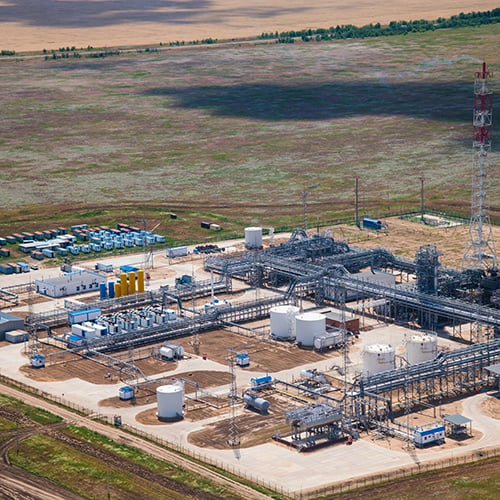
Gas Processing Facilities
Raw natural gas extracted from the ground must be characterised before it can be processed or sold.

Composition analysis at processing facilities confirms the hydrocarbon content of incoming feed gas and monitors the output of processing operations to verify that treated gas meets downstream quality requirements.


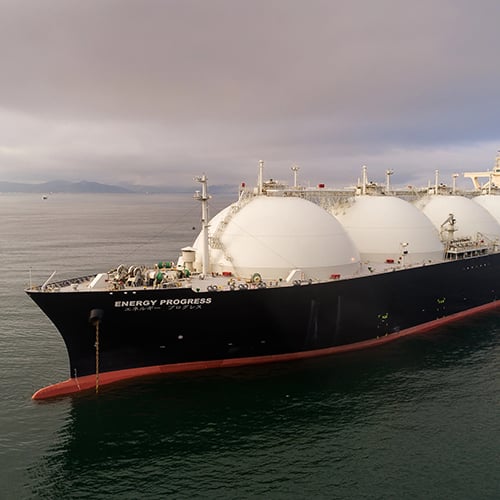
LNG Import and Regasification Terminals

When liquefied natural gas arrives by ship and is regasified for distribution, composition analysis confirms the gas meets the specification required for grid injection.

Testing at this stage verifies calorific value, Wobbe Index and individual component concentrations before the gas enters the distribution network.


Custody Transfer Laboratories

When natural gas changes hands between a producer, transporter or buyer, composition must be measured accurately to determine its commercial value.

The resulting data is used to calculate calorific value and related properties that form the basis for billing and contractual settlement.


Quality Control Laboratories

Laboratories involved in gas analysis, third-party testing or regulatory compliance carry out natural gas composition testing as part of routine quality control work.

Gas chromatography provides a repeatable, accurate method for measuring composition and reporting results in compliance with recognised industry standards.


If you are evaluating natural gas analysis methods, we can review your requirements.

Download to Learn More

Understanding natural gas composition analysis requires clear information on both the analytical method and the GC system configuration.

The Natural Gas Composition Analysis Buyers Guide brings this information together in a single technical resource covering testing workflows, standards, components, calculated properties and GC system configuration.


Download the guide to see:

• how natural gas composition is measured using gas chromatography
• where natural gas testing takes place across the supply chain
• the components typically measured during natural gas analysis
• the properties calculated from composition data, including calorific value and Wobbe Index
• factors involved in configuring a GC system for natural gas analysis


Download the Buyers Guide


Frequently Asked Questions